H1N1 influenza, commonly called swine flu, can cause symptoms such as fever, cough, sore throat, body aches, headache, and tiredness. While many people recover with rest and supportive care, some may develop complications and require medical treatment.
Understanding H1N1 treatment, home care, and the typical recovery process can help you manage symptoms appropriately and recognize when professional medical attention is needed.
How Is H1N1 Treated?
Treatment for H1N1 depends on the severity of the infection, the person’s age and overall health, and their risk of developing complications.
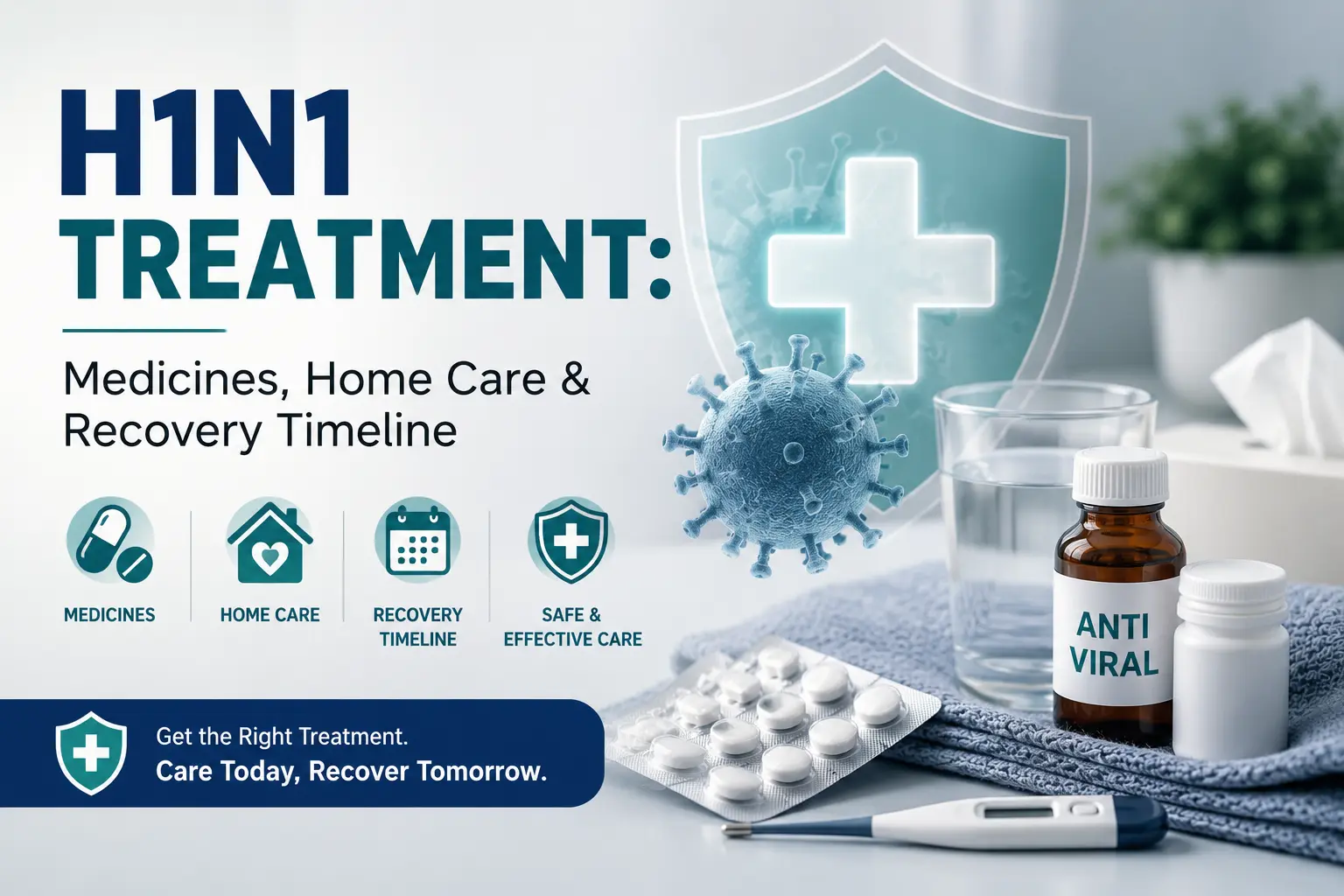
For mild cases, treatment may primarily focus on relieving symptoms and supporting the body’s recovery. A healthcare professional may recommend:
- Adequate rest and sleep
- Drinking plenty of fluids
- Managing fever and body aches with appropriate medicines
- Monitoring symptoms
- Staying home and limiting close contact with others while sick
People who are at higher risk of complications or who have more severe illness may require medical evaluation and specific treatment.
Are Antiviral Medicines Used for H1N1?
Yes. Antiviral medicines may be recommended for some people with influenza, particularly those who are at higher risk of complications or who have severe or progressive illness.
Medicines such as oseltamivir may be used under medical supervision. Antivirals work against influenza viruses and are different from antibiotics.
Antiviral treatment is generally most effective when started early, so people at higher risk or those with severe symptoms should contact a healthcare professional promptly.
Do not start, stop, or change antiviral medication without medical advice.
Do Antibiotics Treat H1N1?
No. H1N1 is caused by a virus, while antibiotics are designed to treat bacterial infections.
Taking antibiotics unnecessarily will not treat the influenza virus. However, in some cases, influenza can be followed by a bacterial infection. A doctor may prescribe antibiotics if a bacterial complication is suspected or confirmed.
H1N1 Home Care: What Can You Do at Home?
For people with mild illness, supportive care at home can help with comfort and recovery.
1. Get Plenty of Rest
Your body needs energy to fight an infection. Get adequate sleep and avoid strenuous physical activity while you are unwell.
2. Stay Hydrated
Fever and reduced appetite can increase the risk of dehydration. Drink water and other suitable fluids regularly.
If vomiting or diarrhea is present, maintaining adequate fluid intake becomes particularly important.
3. Manage Fever and Body Aches
Fever, headache, and muscle aches are common influenza symptoms. A healthcare professional or pharmacist can advise you about appropriate fever- or pain-relieving medicines based on your age and health.
Avoid taking multiple medicines containing the same active ingredient.
4. Eat Nutritious Foods
You may have a reduced appetite while sick. When possible, choose light, nutritious meals and continue drinking enough fluids.
5. Avoid Smoking and Other Respiratory Irritants
Smoking and exposure to respiratory irritants can make coughing and breathing discomfort worse. Avoid smoking while recovering.
6. Reduce the Spread of Infection
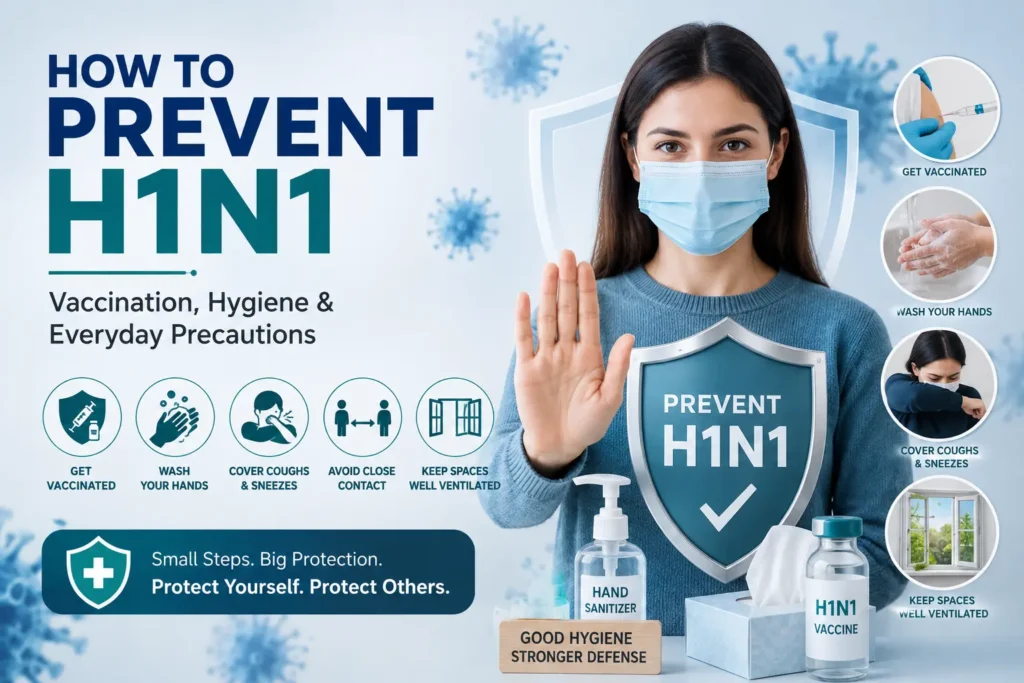
If you have influenza symptoms, try to avoid close contact with others. Cover your mouth and nose when coughing or sneezing, wash your hands regularly, and improve ventilation in indoor spaces.
H1N1 Recovery Timeline
Recovery varies from person to person. The severity of infection, age, general health, and presence of other medical conditions can all influence how quickly someone recovers.
Early Stage: First Few Days
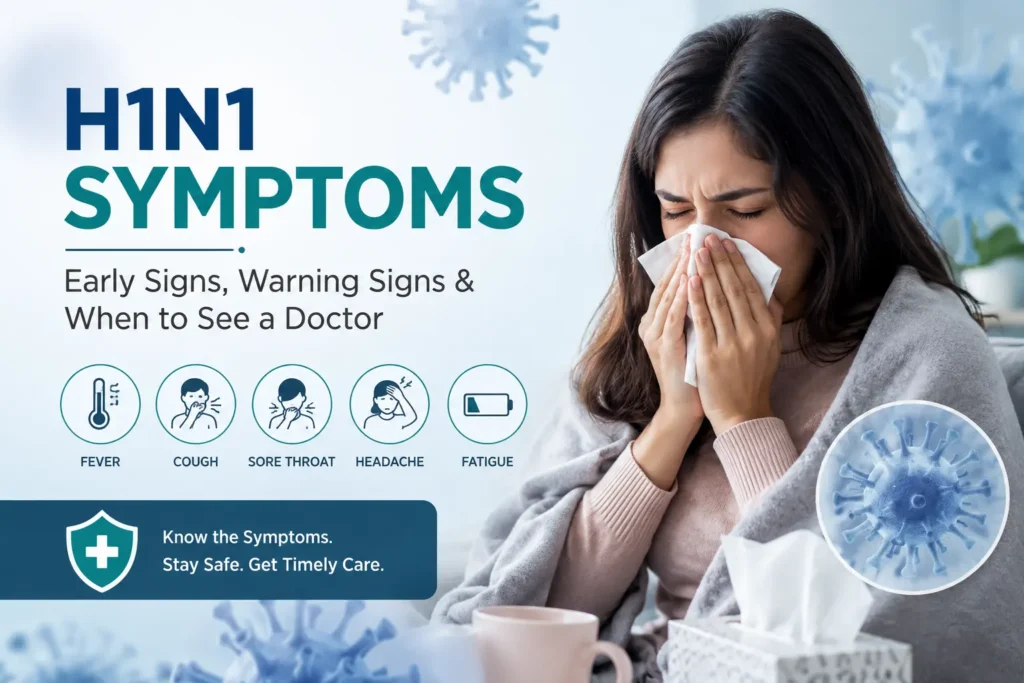
H1N1 symptoms may begin relatively suddenly. Fever, cough, sore throat, body aches, headache, chills, and fatigue may occur.
During this stage, focus on rest, hydration, symptom management, and monitoring for worsening symptoms.
Middle Stage: Several Days Into the Illness
For many people with uncomplicated influenza, symptoms gradually begin to improve over the following days.
However, coughing and tiredness may continue even after the fever and other symptoms start improving.
Recovery Stage
As the infection resolves, energy levels should gradually return. Some people may continue to experience fatigue or cough for a longer period.
If symptoms are getting worse instead of improving, or if they improve and then return significantly, consult a healthcare professional.
When Should You See a Doctor for H1N1?
Contact a healthcare professional if symptoms are severe, worsening, or causing concern.
Seek urgent medical attention if there is:
- Difficulty breathing or shortness of breath
- Chest pain or persistent pressure
- Severe weakness or confusion
- Significant dehydration
- Difficulty staying awake
- Seizures
- Symptoms that improve and then become significantly worse
Children, older adults, pregnant people, and individuals with certain chronic medical conditions or weakened immune systems may have a higher risk of complications and should seek medical advice promptly when they develop influenza symptoms.
Can You Treat H1N1 Without Medicine?
Some people with mild influenza may recover with supportive care such as rest, fluids, and appropriate symptom management.
However, whether antiviral treatment is appropriate depends on the individual situation. People at higher risk of complications or those with severe or progressive illness may benefit from early medical evaluation.
Do not assume that a mild-looking illness will remain mild, particularly if you belong to a higher-risk group.
How Can You Prevent H1N1 From Spreading at Home?
If someone in your household has influenza:
- Limit close face-to-face contact when possible.
- Wash your hands frequently.
- Cover coughs and sneezes.
- Avoid sharing personal items where practical.
- Keep commonly touched surfaces clean.
- Improve ventilation in shared indoor spaces.
- Follow current public-health guidance on staying home while sick.
- Discuss influenza vaccination with a healthcare professional when appropriate.
Conclusion
H1N1 treatment depends on the severity of illness and the individual’s risk factors. Rest, adequate hydration, symptom management, and monitoring are important parts of home care for mild cases. Antiviral medicines may be recommended for people with severe illness or those at higher risk of complications, particularly when treatment can be started early.
Most importantly, do not ignore worsening symptoms. Difficulty breathing, chest pain, severe weakness, confusion, dehydration, or symptoms that suddenly worsen require prompt medical attention.
If you have flu-like symptoms and are concerned about H1N1, consult a qualified healthcare professional for appropriate diagnosis and treatment.
FAQ
How long does H1N1 take to recover?
Many people with uncomplicated influenza gradually improve over several days, but recovery time varies. Cough and tiredness can sometimes last longer than other symptoms.
Is H1N1 completely curable?
Influenza infections are usually self-limited, meaning the immune system can clear the infection. Treatment is mainly aimed at reducing symptoms and, when appropriate, using antiviral medication to help reduce the risk or duration of complications.
Can I take antibiotics for H1N1?
Antibiotics do not treat H1N1 because it is caused by a virus. They may be prescribed only if a healthcare professional suspects or confirms a bacterial infection.
Are antiviral medicines safe?
Antiviral medicines can be appropriate for influenza when prescribed or recommended by a healthcare professional. The choice of medicine and dose depends on factors such as age, health conditions, and the severity of illness.
Medical Disclaimer: This article is for general educational purposes only and is not a substitute for professional medical advice, diagnosis, or treatment. Medication decisions, including the use of antiviral medicines, should be made with a qualified healthcare professional.