Diabetes is one of the fastest-growing health conditions worldwide, affecting millions of people every year. The concerning part is that many people live with diabetes for months or even years without realizing it because the symptoms often develop gradually.
Recognizing the early signs of diabetes can help you seek medical attention before complications such as heart disease, kidney damage, nerve problems, or vision loss develop. In this article, we’ll discuss the most common warning signs of diabetes, who is at risk, and when you should consult a doctor.
What Is Diabetes?
Diabetes is a chronic condition in which your body cannot properly regulate blood sugar (glucose). This happens because your body either doesn’t produce enough insulin or cannot use insulin effectively.
There are three main types of diabetes:
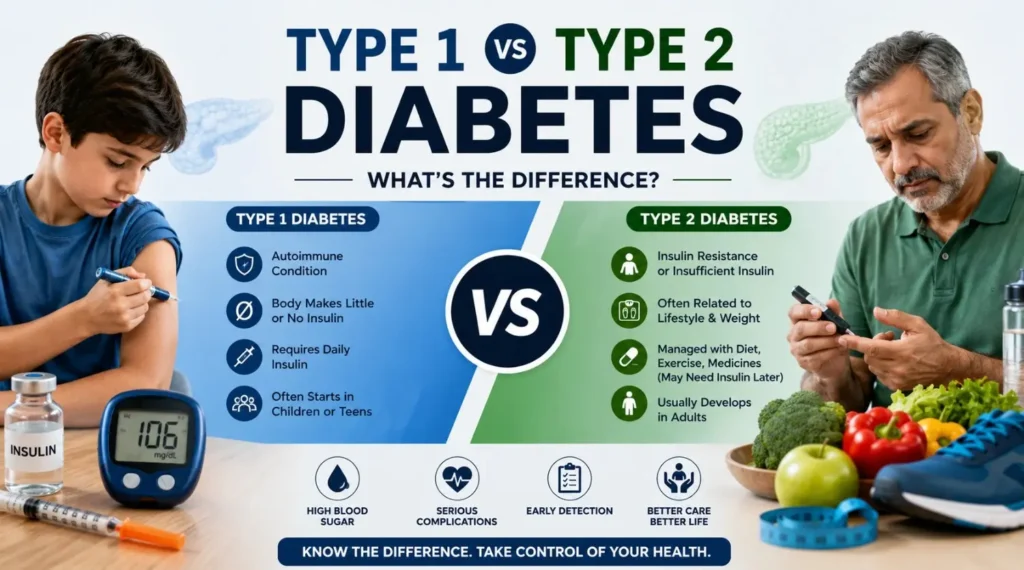
- Type 1 Diabetes: Usually develops in children and young adults when the body stops producing insulin.
- Type 2 Diabetes: The most common form, often linked to lifestyle, obesity, and family history.
- Gestational Diabetes: Occurs during pregnancy and usually resolves after childbirth, but it increases the risk of Type 2 diabetes later in life.
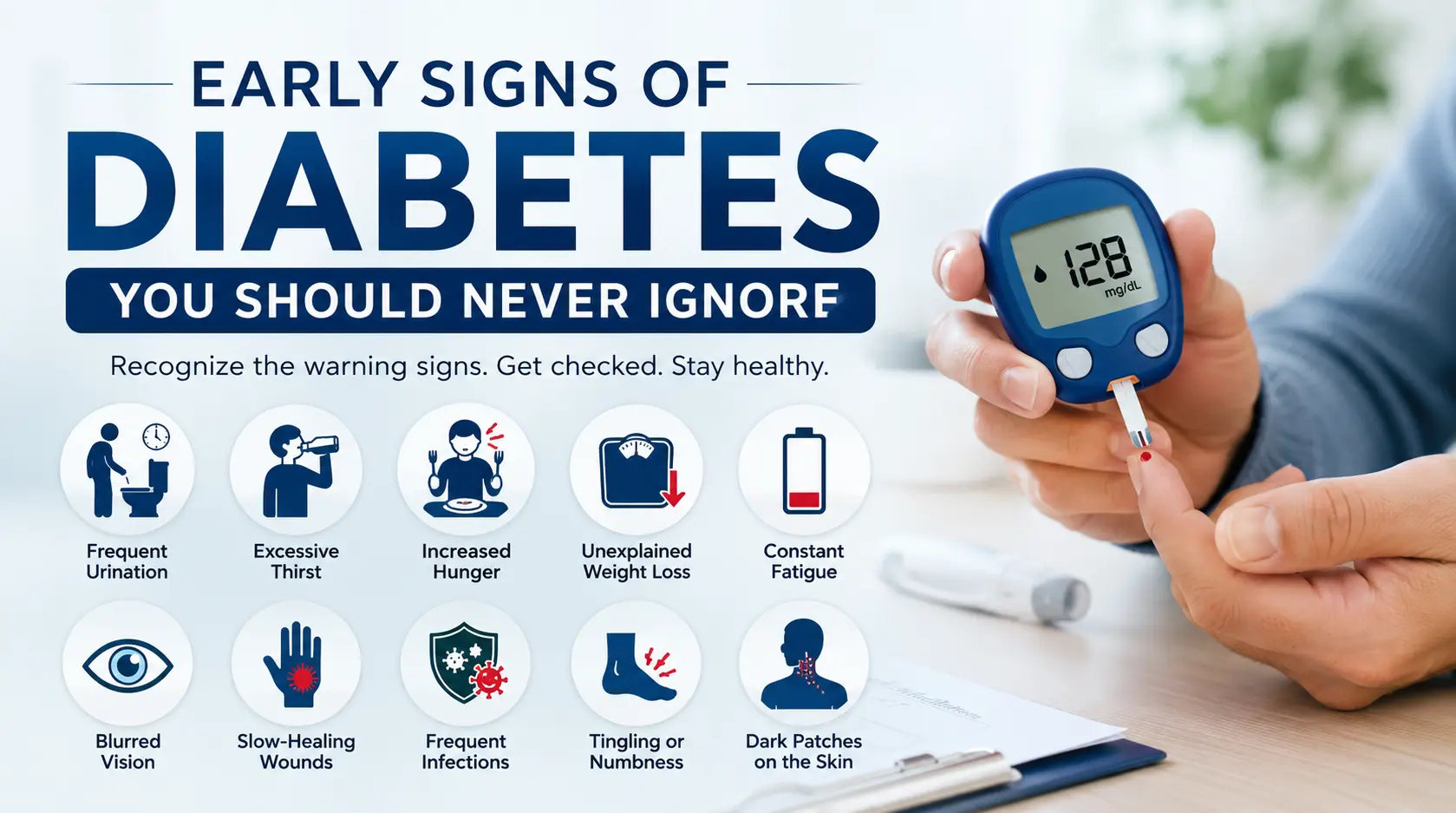
10 Early Signs of Diabetes You Should Never Ignore
1. Frequent Urination (Polyuria)
One of the earliest symptoms of diabetes is needing to urinate more often than usual, especially during the night.
When blood sugar levels become too high, the kidneys work harder to remove excess glucose through urine. This leads to increased urination.
Watch for:
- Waking up multiple times at night to urinate
- Passing large amounts of urine
- Feeling the need to urinate frequently throughout the day
2. Excessive Thirst
Frequent urination causes your body to lose fluids, making you feel unusually thirsty.
Even after drinking plenty of water, you may continue feeling dehydrated.
Common signs include:
- Dry mouth
- Constant thirst
- Drinking significantly more water than usual
3. Increased Hunger
Despite eating regular meals, many people with diabetes feel hungry all the time.
This happens because glucose cannot enter the body’s cells properly, leaving your cells without enough energy.
4. Unexplained Weight Loss
Sudden weight loss without dieting or exercising is a warning sign, especially for Type 1 diabetes.
Since the body cannot use glucose efficiently, it begins breaking down fat and muscle for energy.
Consult your doctor if you lose weight unexpectedly over a short period.
5. Constant Fatigue
Feeling tired occasionally is normal. However, persistent fatigue despite getting enough sleep may indicate diabetes.
High blood sugar prevents cells from receiving enough energy, resulting in:
- Weakness
- Low energy
- Difficulty concentrating
- Reduced productivity
6. Blurred Vision
High blood sugar can affect the lenses of your eyes, causing temporary blurred vision.
If left untreated, diabetes may lead to diabetic retinopathy, a serious eye condition that can result in vision loss.
Never ignore sudden changes in your eyesight.
7. Slow-Healing Cuts and Wounds
Diabetes affects blood circulation and weakens the body’s ability to heal.
You should seek medical advice if:
- Cuts take weeks to heal
- Minor injuries become infected
- Wounds heal slowly
8. Frequent Infections
People with uncontrolled diabetes often experience repeated infections, including:
- Skin infections
- Gum infections
- Urinary tract infections (UTIs)
- Fungal infections
High blood sugar creates an environment where bacteria and fungi can grow more easily.
9. Tingling or Numbness in Hands and Feet
Persistent high blood sugar may damage nerves, causing:
- Tingling
- Burning sensation
- Numbness
- Pain in hands or feet
This condition is known as diabetic neuropathy and should be treated early.
10. Dark Patches on the Skin
Dark, velvety patches around the neck, underarms, or groin may indicate insulin resistance.
This condition, called Acanthosis Nigricans, is often an early warning sign of Type 2 diabetes.
Who Is at Higher Risk of Diabetes?
Your risk increases if you:
- Are overweight or obese
- Have a family history of diabetes
- Are physically inactive
- Have high blood pressure
- Have high cholesterol
- Are over the age of 45
- Have had gestational diabetes
- Have Polycystic Ovary Syndrome (PCOS)
If you have one or more of these risk factors, regular diabetes screening is recommended.
When Should You See a Doctor?
Consult a diabetologist or physician immediately if you experience:
- Excessive thirst
- Frequent urination
- Unexplained weight loss
- Constant fatigue
- Blurred vision
- Slow-healing wounds
- Persistent numbness in your feet or hands
Early diagnosis can help prevent serious complications.
Can Diabetes Be Prevented?
While Type 1 diabetes cannot currently be prevented, many cases of Type 2 diabetes can be delayed or prevented through healthy lifestyle choices.
Prevention Tips
- Maintain a healthy weight.
- Exercise for at least 30 minutes most days.
- Eat a balanced diet rich in vegetables, whole grains, and lean protein.
- Limit sugary drinks and processed foods.
- Avoid smoking.
- Get regular health checkups, especially if you have a family history of diabetes.
Conclusion
The early signs of diabetes are often subtle but should never be ignored. Symptoms such as frequent urination, excessive thirst, unexplained weight loss, fatigue, blurred vision, and slow-healing wounds may indicate elevated blood sugar levels.
Early diagnosis and timely treatment can significantly reduce the risk of serious complications and improve long-term health. If you notice any of these warning signs, schedule a medical evaluation and discuss diabetes screening with your healthcare provider.
Can diabetes develop without symptoms?
Yes. Many people, particularly those with Type 2 diabetes, may have no noticeable symptoms in the early stages. Routine health checkups are important for early detection.
Is frequent urination always a sign of diabetes?
Not necessarily. It can also be caused by urinary tract infections, excessive fluid intake, certain medications, or kidney conditions. A medical evaluation is needed to determine the exact cause.
Can young people develop diabetes?
Yes. Both children and young adults can develop diabetes. Type 1 diabetes is more common in younger individuals, while Type 2 diabetes is increasingly seen in adolescents due to rising obesity rates.
What is the first symptom of diabetes?
The earliest symptoms often include frequent urination, excessive thirst, increased hunger, fatigue, and blurred vision. These signs can vary from person to person.