
Diabetes is one of the most common chronic health conditions affecting millions of people worldwide. In India, the number of people living with diabetes continues to rise due to changing lifestyles, unhealthy eating habits, lack of physical activity, obesity, and genetic factors. If left unmanaged, diabetes can lead to serious complications affecting the heart, kidneys, eyes, nerves, and other organs.
The good news is that diabetes can often be managed effectively with early diagnosis, proper medical care, guidance from an experienced diabetologist, a healthy diet, regular exercise, and consistent monitoring of blood sugar levels. A diabetologist specializes in diagnosing, treating, and managing diabetes, helping patients develop personalized treatment plans to control blood sugar and reduce the risk of complications. Understanding the condition and seeking timely medical advice are the first steps toward preventing complications and living a healthier life.
What Is Diabetes?
Diabetes mellitus is a condition in which the body is unable to properly regulate blood glucose (blood sugar) levels. Glucose is the body’s primary source of energy and comes from the food we eat. Insulin, a hormone produced by the pancreas, helps glucose enter the body’s cells where it is used for energy.
When the body does not produce enough insulin or cannot use insulin effectively, glucose builds up in the bloodstream instead of entering the cells. Persistently high blood sugar levels can damage blood vessels and vital organs over time.
Types of Diabetes
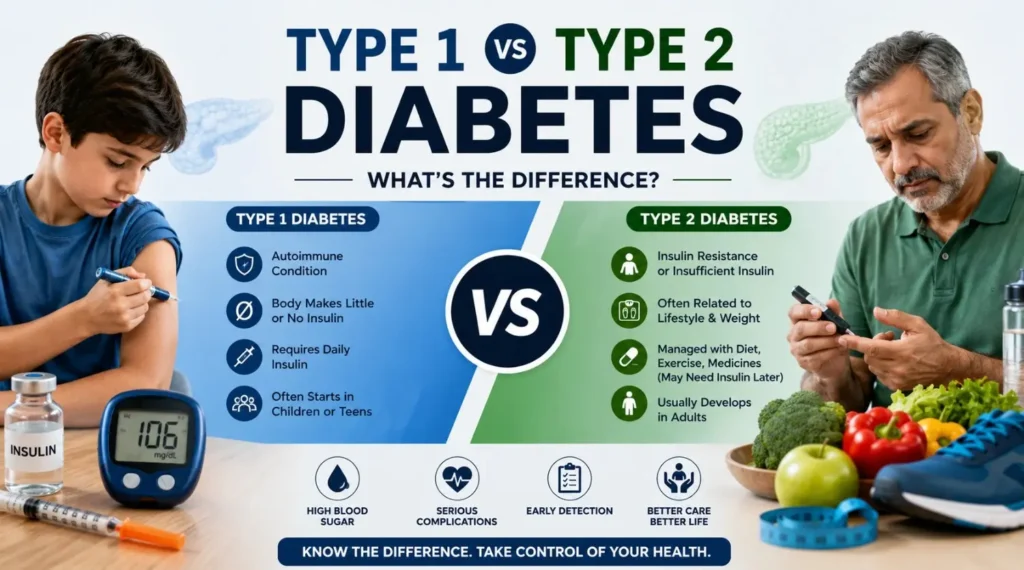
Type 1 Diabetes
Type 1 diabetes is an autoimmune condition where the immune system attacks the insulin-producing cells in the pancreas. People with Type 1 diabetes require lifelong insulin therapy and regular blood sugar monitoring.
Type 2 Diabetes
Type 2 diabetes is the most common form of diabetes. It develops when the body becomes resistant to insulin or does not produce enough insulin. It is often associated with obesity, sedentary lifestyles, family history, and increasing age, although younger adults are increasingly being diagnosed.
Gestational Diabetes
Gestational diabetes develops during pregnancy and usually resolves after childbirth. However, women who experience gestational diabetes have a higher risk of developing Type 2 diabetes later in life. Proper monitoring during pregnancy helps protect both mother and baby.
Prediabetes
Prediabetes occurs when blood sugar levels are higher than normal but not high enough to be diagnosed as diabetes. Early lifestyle changes can often prevent or delay the progression to Type 2 diabetes.
Common Symptoms of Diabetes
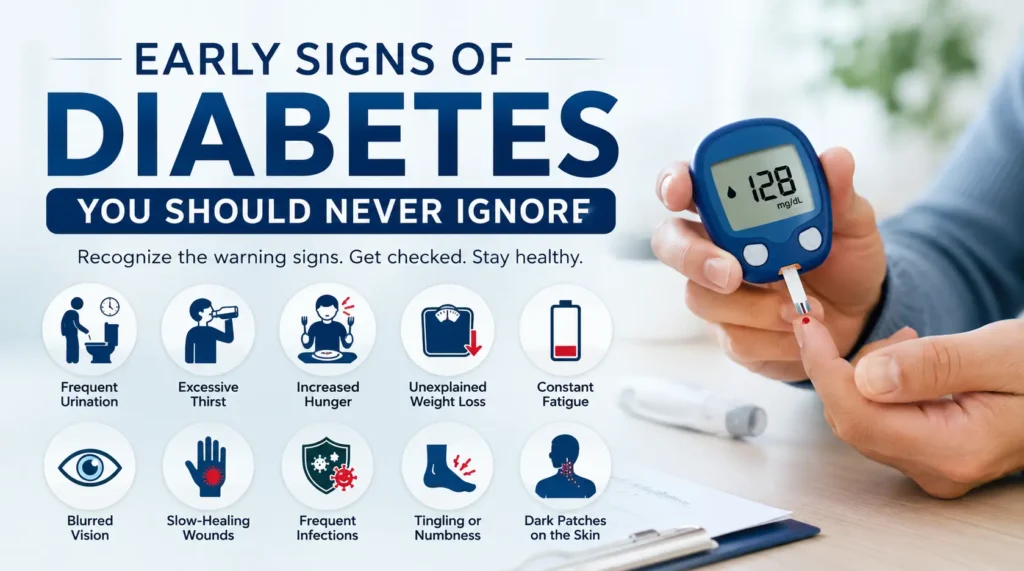
Many people may not notice symptoms in the early stages. Recognizing warning signs can help ensure early diagnosis and treatment.
Common symptoms include:
- Frequent urination
- Excessive thirst
- Increased hunger
- Unexplained weight loss
- Fatigue or weakness
- Blurred vision
- Slow-healing cuts and wounds
- Frequent skin infections
- Tingling or numbness in hands and feet
If you experience these symptoms, consult a Diabetologist for proper evaluation.
What Causes Diabetes?
Several factors contribute to diabetes, including:
- Family history of diabetes
- Obesity or excess body weight
- Physical inactivity
- Unhealthy eating habits
- High blood pressure
- High cholesterol
- Increasing age
- Smoking
- Polycystic Ovary Syndrome (PCOS) in women
- Previous gestational diabetes
While some risk factors such as genetics cannot be changed, maintaining a healthy lifestyle can significantly reduce the risk of developing Type 2 diabetes.
How Is Diabetes Diagnosed?
Doctors diagnose diabetes using blood tests that measure blood glucose levels. Common tests include:
- Fasting Blood Sugar (FBS): Measures blood sugar after fasting for at least eight hours.
- HbA1c Test: Shows the average blood sugar level over the previous two to three months.
- Random Blood Sugar Test: Measures blood glucose at any time of the day.
- Oral Glucose Tolerance Test (OGTT): Evaluates how the body processes glucose after consuming a glucose-rich drink.
Regular screening is especially important for individuals with risk factors or a family history of diabetes.
Diabetes Treatment
Treatment depends on the type of diabetes and the individual’s health condition. A comprehensive diabetes management plan typically includes:
- Healthy eating habits
- Regular physical activity
- Weight management
- Blood sugar monitoring
- Oral diabetes medications
- Insulin therapy when required
- Regular medical follow-up
Following your doctor’s recommendations consistently is essential for keeping blood sugar under control and preventing long-term complications.
Diet for Diabetes
A healthy diet is one of the most effective ways to manage diabetes.
A diabetes-friendly diet should include:
- Whole grains
- Fresh vegetables
- Fruits in moderation
- Lean proteins
- Healthy fats
- Low-fat dairy products
- High-fiber foods
- Plenty of water
Limit or avoid:
- Sugary beverages
- Sweets and desserts
- Refined flour products
- Processed foods
- Deep-fried snacks
- Excess salt
- Excess alcohol
Eating smaller, balanced meals at regular intervals can also help maintain stable blood sugar levels.
Exercise and Lifestyle
Regular physical activity improves insulin sensitivity and helps maintain healthy blood sugar levels.
Recommended activities include:
- Brisk walking
- Cycling
- Swimming
- Yoga
- Strength training
- Light stretching
Aim for at least 150 minutes of moderate exercise each week, unless otherwise advised by your healthcare provider.
Maintaining a healthy weight, managing stress, getting enough sleep, and avoiding tobacco products are equally important aspects of diabetes management.
Possible Complications
Uncontrolled diabetes can affect nearly every organ in the body. Some common complications include:
- Heart disease
- Stroke
- Kidney disease
- Eye problems and vision loss
- Nerve damage (diabetic neuropathy)
- Foot ulcers and infections
- Poor wound healing
- Gum disease
Regular health check-ups help detect complications early and improve treatment outcomes.
Can Diabetes Be Prevented?
While Type 1 diabetes cannot currently be prevented, many cases of Type 2 diabetes can be delayed or prevented through healthy lifestyle choices.
Simple preventive measures include:
- Maintaining a healthy weight
- Eating a balanced diet
- Exercising regularly
- Avoiding smoking
- Limiting sugary drinks
- Managing blood pressure and cholesterol
- Getting routine health screenings
Individuals with prediabetes should work closely with their healthcare provider to reduce their risk of progressing to diabetes.
Living Well with Diabetes
A diabetes diagnosis does not mean you cannot lead a healthy and active life. Successful diabetes management involves developing healthy habits and staying consistent with treatment.
Remember to:
- Monitor your blood sugar regularly.
- Take medications exactly as prescribed.
- Never skip follow-up appointments.
- Inspect your feet daily for cuts or wounds.
- Stay hydrated.
- Get adequate sleep.
- Manage stress through relaxation techniques or physical activity.
- Seek medical advice whenever blood sugar levels become difficult to control.
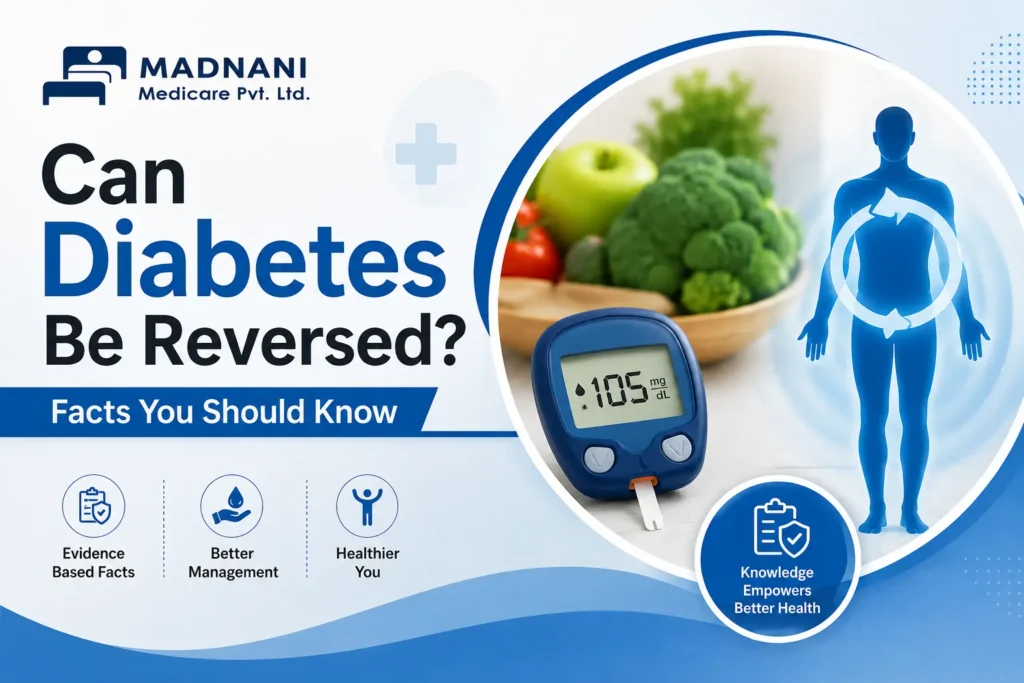
Can diabetes be cured?
There is currently no permanent cure for diabetes, but many people can successfully manage the condition and, in some cases of Type 2 diabetes, achieve remission through sustained lifestyle changes under medical supervision.
Can diabetics eat fruits?
Yes. Most fruits can be included in moderation as part of a balanced diet. Portion size and overall carbohydrate intake should be considered.
How often should blood sugar be checked?
The frequency depends on the type of diabetes, medications, and your doctor’s advice.
Is walking good for diabetes?
Yes. Regular walking is one of the safest and most effective forms of exercise for improving blood sugar control.
Conclusion
Diabetes is a lifelong condition, but with the right knowledge, timely diagnosis, and proper medical care, it can be managed successfully. Healthy eating, regular exercise, medication adherence, and routine monitoring all play vital roles in preventing complications and improving quality of life.
If you notice symptoms of diabetes or have risk factors such as obesity or a family history of the disease, schedule a medical evaluation without delay. Early intervention can make a significant difference in long-term health outcomes.
Medical Disclaimer: This article is intended for educational purposes only and should not replace professional medical advice, diagnosis, or treatment. Always consult a qualified healthcare professional regarding any medical concerns.