
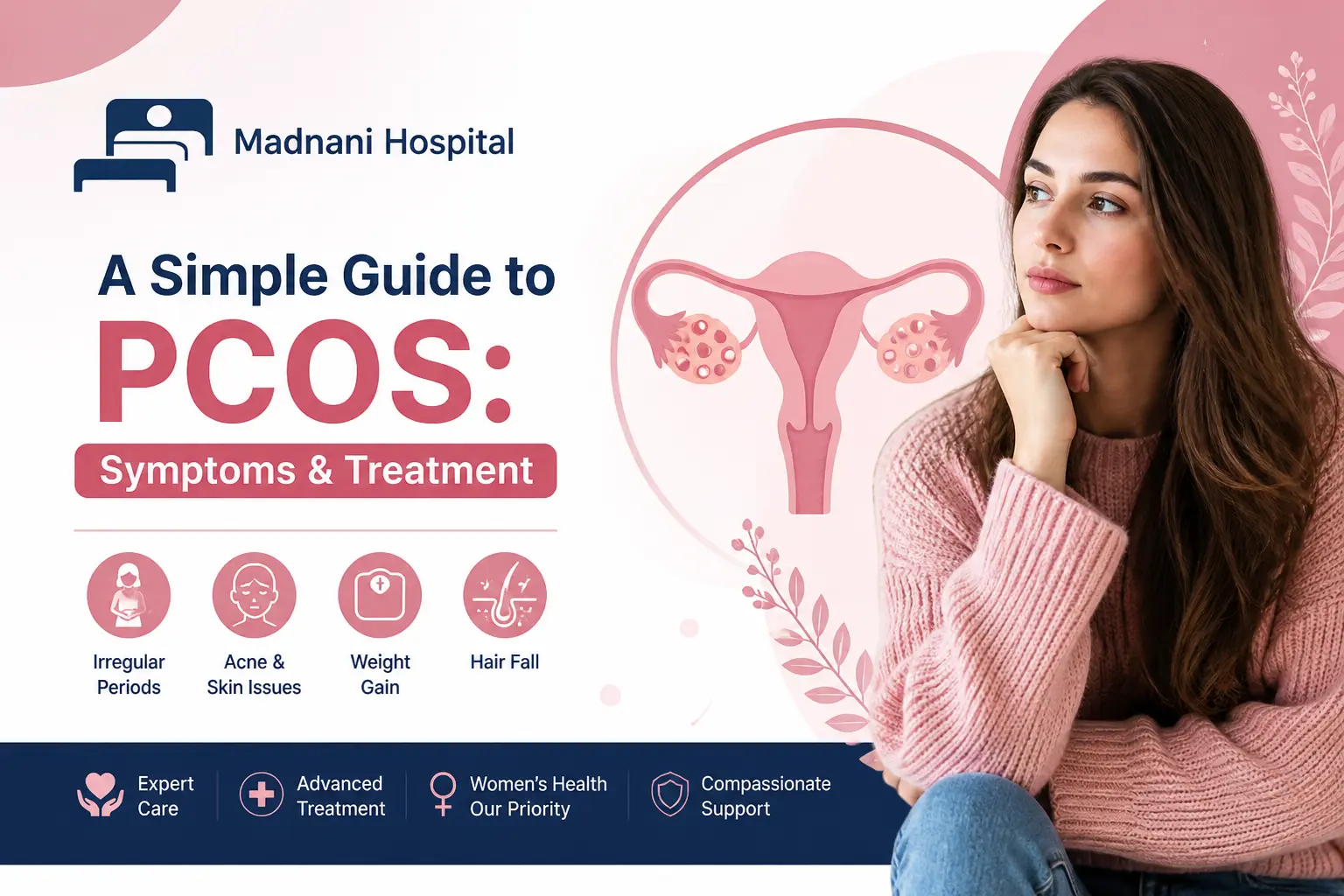
Polycystic Ovary Syndrome (PCOS) is a common health condition affecting many women today, especially due to changing lifestyles, stress, and unhealthy habits. Despite its growing prevalence, many women tend to ignore early symptoms like irregular periods, weight gain, or acne, often considering them minor issues. However, if left untreated, PCOS can lead to more serious health complications. Early diagnosis and proper treatment play a crucial role in managing the condition effectively. Seeking timely medical guidance from a trusted healthcare provider which can help in better management and long-term heal
What is PCOS?
Polycystic Ovary Syndrome (PCOS) is a hormonal condition that commonly affects women during their reproductive years. It happens due to an imbalance in hormones, which disrupts the normal function of the ovaries. This can lead to irregular or missed periods, as the ovaries may not release eggs regularly. In some cases, small fluid-filled cysts may form in the ovaries. If not managed in time, PCOS can impact overall health and may increase the risk of problems like weight gain, diabetes, and difficulty in conceiving, making early diagnosis and treatment essential.
Common Symptoms of PCOS
PCOS can show a variety of symptoms, and they may differ from one woman to another. Recognizing these signs early can help in timely diagnosis and better management of the condition. Some of the most common symptoms include:
- Irregular periods – cycles may be delayed, missed, or unpredictable
- Weight gain – especially around the abdomen
- Acne and oily skin – due to hormonal imbalance
- Hair thinning or hair fall – noticeable reduction in hair volume
- Excess facial or body hair – unwanted hair growth on face, chest, or back
- Difficulty in conceiving – due to irregular ovulation
Causes and Risk Factors of PCOS
PCOS can develop due to a combination of hormonal, genetic, and lifestyle-related factors. Understanding these causes and risk factors can help in better management and prevention of the condition:
- Hormonal imbalance – increased levels of androgens (male hormones) can disrupt ovulation and lead to irregular periods
- Genetics – PCOS often runs in families, so having a family history can increase the risk
- Poor lifestyle habits – unhealthy diet, lack of physical activity, and irregular routines can contribute to the condition
- Stress and obesity – high stress levels and excess body weight can worsen hormonal imbalance and symptoms
How is PCOS Treated?
The treatment for PCOS focuses on managing symptoms and improving overall health. Since every woman experiences PCOS differently, the treatment plan is usually personalized based on individual symptoms, age, and health goals.
- Lifestyle Management – maintaining a healthy diet, regular exercise, and proper weight control plays a key role in managing PCOS. Even small lifestyle changes can help regulate hormones and improve symptoms.
- Medical Treatment – doctors may prescribe medications to balance hormones, regulate menstrual cycles, and manage related issues like insulin resistance.
- Skin & Hair Care Management – treatments may be suggested to control acne, reduce excess facial or body hair, and manage hair thinning or hair fall caused by hormonal imbalance.
- Fertility Support Treatments – for women planning pregnancy, specific treatments can help improve ovulation and increase the chances of conception.
With the right combination of treatment and lifestyle changes, PCOS can be effectively managed over time.
When is the Right Time to See a Doctor?
It is important to seek medical advice when you notice ongoing or unusual changes in your body. If your periods are irregular for a long time or frequently missed, it should not be ignored. Sudden weight gain without any clear reason can also be a sign that needs attention. Skin issues like severe acne, along with noticeable hair fall or unwanted hair growth, may indicate hormonal imbalance. Additionally, if you are trying to conceive and facing difficulty, it is the right time to consult a doctor. Early diagnosis and proper guidance can help manage the condition effectively and prevent further complications, making it easier to maintain overall health.
Madnani Hospital: A Name You Can Trust
Choosing the right healthcare provider plays a key role in effective treatment and long-term health. At Madnani Hospital, patients are cared for by experienced doctors who understand individual needs and offer the right guidance at every stage. The hospital follows a personalized approach, ensuring that each treatment plan is tailored to the patient’s condition and goals. With modern facilities and advanced technology, patients receive accurate diagnosis and quality care. Established in 1990, the hospital has earned the trust of patients over the years. From consultation to treatment and follow-up, complete care is provided under one roof for a smooth and convenient experience.
Conclusion
PCOS is a common condition, but with the right approach, it can be effectively managed. Paying attention to early symptoms and not ignoring changes in your body is the first step toward better health. A balanced lifestyle, including healthy eating, regular exercise, and timely medical care, plays a key role in controlling PCOS and preventing complications. With proper guidance and consistent care, women can lead a healthy and active life.
If you are noticing symptoms of PCOS or need medical advice, don’t wait. Visit Madnani Hospital and consult experienced doctors for proper diagnosis and care. Book your consultation today and take a step towards better health.