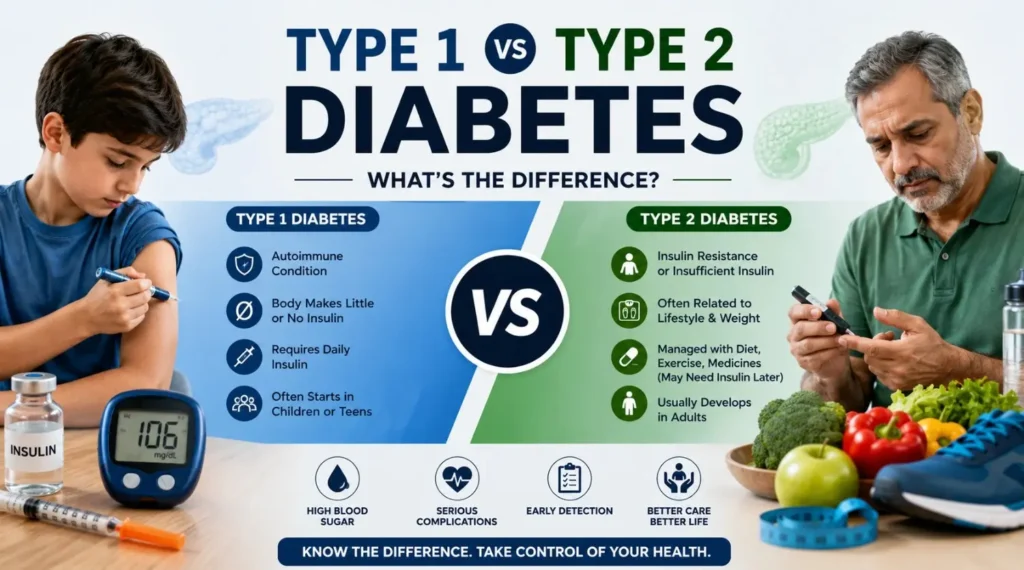

Living with diabetes does not mean you have to give up all your favourite foods. The key is to choose nutritious foods, manage portion sizes, and understand how different foods affect blood sugar levels.
A diabetes-friendly diet generally focuses on high-fibre foods, vegetables, whole grains, lean proteins, healthy fats, and minimally processed foods. Choosing the right foods can help support better blood sugar management and overall health.For personalized guidance, consulting a diabetologist can help you develop a diet and diabetes management plan suited to your individual needs.
In this guide, we discuss the best foods for people with diabetes, foods to include in your daily diet, foods to limit, and simple tips for planning balanced meals.
What Should People With Diabetes Eat?
People with diabetes can eat a wide variety of foods. Instead of completely eliminating carbohydrates, it is generally more useful to focus on the type and amount of carbohydrates consumed.
A balanced diabetes-friendly meal can include:
- Non-starchy vegetables
- Whole grains
- Pulses and legumes
- Lean sources of protein
- Nuts and seeds
- Healthy fats
- Whole fruits in appropriate portions
- Low-fat or unsweetened dairy products
The ideal diet can vary depending on a person’s diabetes type, medications, activity level, age, and other health conditions. A doctor or registered dietitian can help create an individualized meal plan.
10 Best Foods for People With Diabetes
1. Leafy Green Vegetables
Leafy vegetables such as spinach, fenugreek leaves (methi), kale, and lettuce are nutrient-rich and generally low in carbohydrates and calories.
They provide fibre, vitamins, minerals, and antioxidants while adding volume to meals without significantly increasing carbohydrate intake.
How to include them:
- Add spinach to dal or vegetables
- Prepare methi sabzi
- Add leafy greens to salads
- Use them in soups
2. Non-Starchy Vegetables
Vegetables such as broccoli, cauliflower, cucumber, tomatoes, capsicum, beans, bottle gourd, and bitter gourd can be excellent additions to a diabetes-friendly diet.
They provide fibre and important nutrients while generally containing fewer carbohydrates than starchy vegetables.
Try filling a significant portion of your plate with non-starchy vegetables at lunch and dinner.
3. Whole Grains
Whole grains contain more fibre and nutrients than refined grains because the grain remains less processed.
Good choices can include:
- Oats
- Barley
- Brown rice
- Whole-wheat roti
- Millets such as ragi, bajra, and jowar
However, whole grains still contain carbohydrates, so portion size matters.
4. Pulses and Legumes
Lentils, chickpeas, kidney beans, black beans, and other legumes provide fibre and plant-based protein.
They can be incorporated into Indian meals through:
- Dal
- Chana
- Rajma
- Sprouted legumes
- Chickpea salads
Because legumes contain carbohydrates as well as protein and fibre, portion control remains important.
5. Nuts and Seeds
Nuts and seeds can provide healthy fats, protein, fibre, vitamins, and minerals.
Some options include:
- Almonds
- Walnuts
- Pistachios
- Chia seeds
- Flaxseeds
- Pumpkin seeds
Choose unsalted and minimally processed varieties where possible. Because nuts are calorie-dense, a small portion is usually sufficient.
6. Fatty Fish
Fish such as salmon, sardines, mackerel, and other oily fish provide protein and omega-3 fatty acids.
For people who eat non-vegetarian foods, fish can be a nutritious protein option. Prefer grilled, baked, steamed, or lightly cooked fish instead of deep-fried preparations.
7. Eggs
Eggs are a convenient source of high-quality protein and can be included in a balanced diabetes-friendly diet.
Try:
- Boiled eggs
- Vegetable omelettes
- Scrambled eggs with vegetables
Avoid turning otherwise healthy meals into high-calorie options by adding excessive butter, cream, or processed meats.
8. Plain or Unsweetened Yogurt
Plain, unsweetened yogurt can provide protein and calcium.
When choosing yogurt or curd, check the label for added sugars. Flavoured yogurts may contain significant amounts of added sugar.
For an Indian meal, plain curd can be combined with vegetables or used as part of a balanced lunch.
9. Whole Fruits
People with diabetes do not necessarily need to avoid fruit. Whole fruit is generally a better choice than fruit juice because it retains fibre and requires more chewing, which can affect how quickly it is consumed.
Some fruits that can be included in appropriate portions are:
- Apple
- Guava
- Orange
- Pear
- Papaya
- Berries
- Kiwi
The amount and type of fruit should be considered as part of the person’s overall carbohydrate intake.
10. Healthy Fats
Healthy fats can be part of a balanced diet. Sources include:
- Nuts
- Seeds
- Avocado
- Olive oil
- Certain vegetable oils
Remember that healthy fats are still high in calories, so moderation is important.
Best Indian Foods for People With Diabetes
For people following an Indian diet, diabetes-friendly meals can be created without completely changing traditional eating habits.
Some practical choices include:
| Meal | Diabetes-friendly options |
| Breakfast | Vegetable oats, vegetable poha, eggs, moong dal chilla |
| Lunch | Roti + dal + vegetables + salad + curd |
| Evening snack | A small portion of nuts, roasted chana, or whole fruit |
| Dinner | Vegetable soup + protein + roti/other whole grain |
| Vegetarian protein | Dal, chana, rajma, tofu, paneer in appropriate portions |
| Non-vegetarian protein | Fish, eggs, chicken |
The key is to focus on portion control, fibre, protein, and minimally processed foods.
Foods to Limit If You Have Diabetes
Having diabetes does not necessarily mean that every high-carbohydrate food is completely forbidden. However, some foods are better limited because they can provide large amounts of added sugar, refined carbohydrates, saturated fat, or calories with relatively little nutritional value.
Try to limit:
- Sugary soft drinks
- Sweetened packaged beverages
- Sweets and mithai
- Cakes and pastries
- Biscuits and cookies
- Added-sugar desserts
- Deep-fried foods
- Highly refined carbohydrates
- Processed meats
- Excessively sugary breakfast cereals
What About Fruit Juice?
Fruit juice can contain a substantial amount of naturally occurring sugar without the same fibre structure as whole fruit.
For most people with diabetes, whole fruit is generally a more practical choice than juice.
Can People With Diabetes Eat Rice?
Yes, rice can be included in a diabetes-friendly diet. The important factors include portion size, the type of rice, and what you eat alongside it.
Instead of having a large portion of rice by itself, combine a moderate portion with:
- Vegetables
- Dal or another protein source
- Salad
- Curd
This creates a more balanced meal.
Can People With Diabetes Eat Roti?
Whole-wheat roti can be part of a balanced diabetes meal plan.
However, eating large quantities of roti can still provide a significant amount of carbohydrate. The appropriate number of rotis varies from person to person depending on overall calorie and carbohydrate requirements.
Simple Plate Method for Diabetes
One simple way to build a balanced meal is to divide your plate approximately into:
½ plate: Non-starchy vegetables
¼ plate: Protein
¼ plate: Whole grains or other carbohydrate-containing foods
For example:
Vegetables + dal/chicken/fish + a moderate portion of roti or rice
This approach can make portion control easier without requiring you to completely eliminate carbohydrates.
Healthy Eating Tips for People With Diabetes
1. Choose Whole Foods More Often
Prioritize vegetables, whole grains, pulses, nuts, seeds, lean proteins, and whole fruits over highly processed foods.
2. Watch Portion Sizes
Even nutritious foods can affect blood glucose and calorie intake when consumed in excessive amounts.
3. Choose Whole Fruit Instead of Juice
Whole fruits generally provide more fibre than fruit juice.
4. Read Food Labels
Look at:
- Total carbohydrates
- Added sugars
- Fibre
- Serving size
- Saturated fat
5. Don’t Skip Meals Without Guidance
Skipping meals can affect blood glucose management, particularly for people taking certain diabetes medications or insulin.
6. Stay Physically Active
Diet and physical activity work together as important parts of diabetes management. Follow an exercise plan appropriate for your health and fitness level.
7. Monitor Your Blood Sugar
If you have been advised to monitor your blood glucose, keep track of your readings and discuss unusual or persistent changes with your healthcare provider.
Conclusion
A diabetes-friendly diet does not have to be boring or restrictive. Vegetables, whole grains, pulses, nuts, seeds, lean proteins, unsweetened dairy, and whole fruits can all be part of a nutritious eating pattern.
The most important principles are portion control, choosing high-fibre and minimally processed foods, limiting added sugars, and maintaining a balanced diet.
Because nutritional requirements differ between individuals, people with diabetes should discuss their diet with a doctor or registered dietitian, especially if they take insulin or other glucose-lowering medications.
Frequently Asked Questions
What is the best food for people with diabetes?
There is no single “best” food for everyone with diabetes. A balanced diet containing vegetables, fibre-rich foods, appropriate portions of whole grains, protein, healthy fats, and whole fruits can support healthy eating.
Which fruits are good for diabetes?
Whole fruits such as guava, apple, pear, orange, papaya, and berries can be included in appropriate portions. Individual blood glucose responses can vary, so portion size and overall carbohydrate intake are important.
Can a person with diabetes eat rice?
Yes. Rice can be included in a diabetes-friendly meal when consumed in an appropriate portion and combined with vegetables, protein, and other nutritious foods.
Is curd good for diabetes?
Plain, unsweetened curd can be included in many diabetes-friendly diets. Choose options without added sugar and consider portion size.
Can people with diabetes eat sweets?
Sweets and desserts can contain significant amounts of added sugar and carbohydrates. They are generally best consumed occasionally and in small portions, depending on an individual’s overall diabetes management plan.
Is it necessary to completely stop eating carbohydrates?
Not necessarily. Carbohydrates are an important source of energy. For people with diabetes, the type, amount, and distribution of carbohydrates can be more important than eliminating them completely.