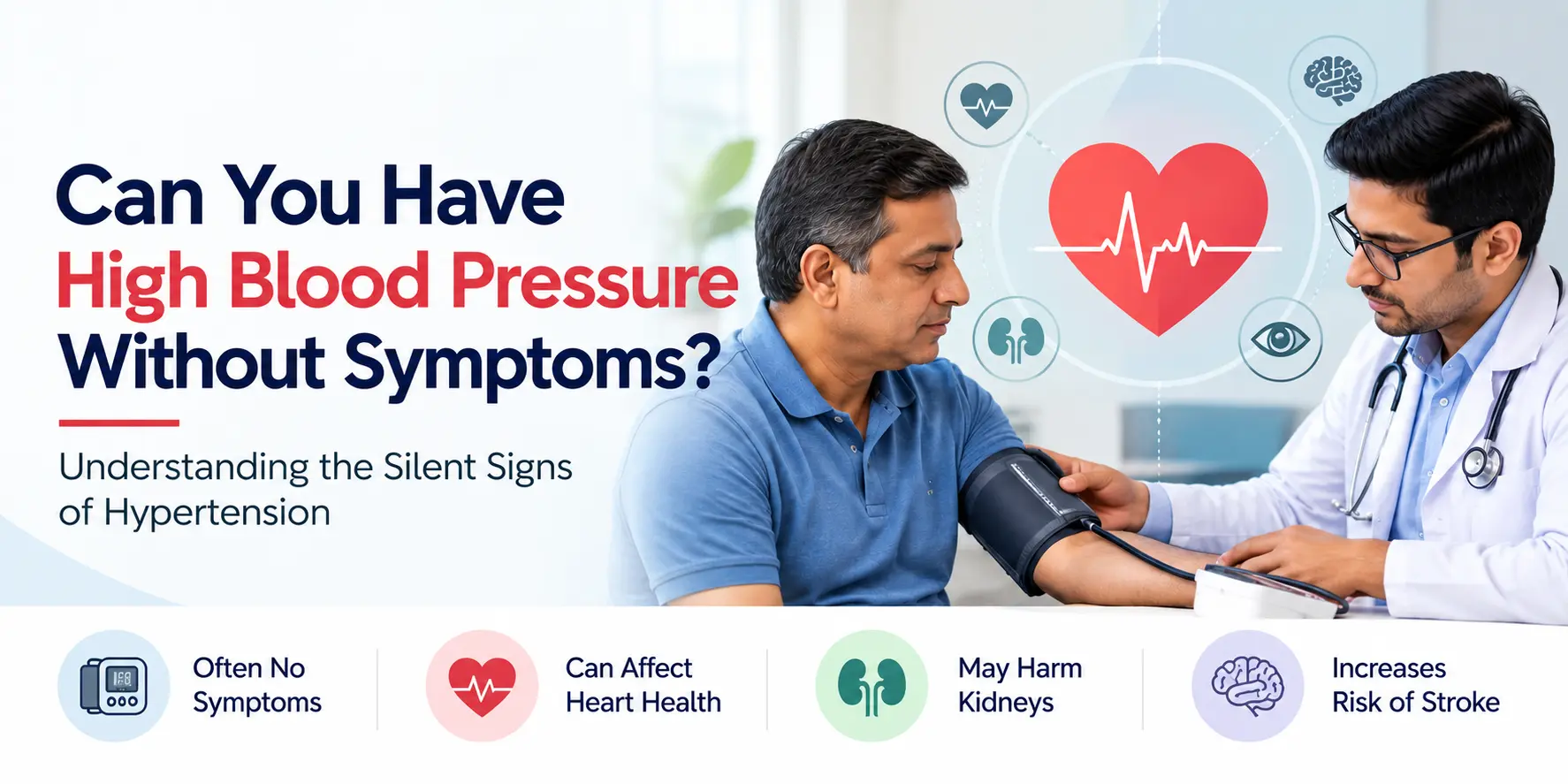
Yes, you can have high blood pressure without experiencing any noticeable symptoms. In fact, hypertension is often called a “silent condition” because many people do not realise their blood pressure is elevated until they get it checked during a routine health examination or develop complications.
High blood pressure, medically known as hypertension, occurs when the force of blood pushing against the walls of your arteries remains consistently too high. Even if you feel perfectly healthy, uncontrolled hypertension can gradually damage important organs, including your heart, brain, kidneys and eyes.
This is why regular blood pressure monitoring is important, especially for adults over 40 and people with risk factors such as diabetes, obesity or a family history of hypertension.
What Is High Blood Pressure?
Blood pressure is the force exerted by circulating blood against the walls of your arteries. It is measured using two numbers:
- Systolic pressure (upper number): The pressure in your arteries when your heart contracts and pumps blood.
- Diastolic pressure (lower number): The pressure in your arteries when your heart relaxes between beats.
For example, a blood pressure reading of 120/80 mmHg means the systolic pressure is 120 and the diastolic pressure is 80.
When blood pressure remains consistently elevated, it increases the workload on your heart and puts additional stress on your blood vessels.
Why Is High Blood Pressure Called a Silent Condition?
Unlike many other health problems, hypertension does not always produce noticeable warning signs.
A person may continue working, exercising and performing everyday activities without feeling anything unusual, even when their blood pressure is significantly elevated.
The absence of symptoms does not mean blood pressure is normal.
Over time, consistently high pressure can damage blood vessels and affect the functioning of vital organs. Some people discover they have hypertension only during a routine medical checkup, while others may learn about it after experiencing a serious health complication.
The only reliable way to know whether you have high blood pressure is to measure it.
Can High Blood Pressure Cause Symptoms?
Most people with hypertension do not experience obvious symptoms. However, when blood pressure becomes severely elevated, some people may experience:
- Severe headache
- Blurred vision or changes in eyesight
- Chest pain
- Shortness of breath
- Dizziness
- Confusion
- Nausea or vomiting
These symptoms should not be ignored. They do not necessarily indicate hypertension, but they may signal a serious medical problem requiring immediate evaluation.
Do not wait for symptoms to appear before checking your blood pressure.
What Happens to Your Body When High Blood Pressure Goes Untreated?
Uncontrolled hypertension can gradually affect several vital organs. Understanding these complications highlights why early diagnosis and treatment matter.
1. Heart Damage
When blood pressure remains high, the heart has to work harder to pump blood throughout the body.
Over time, this additional workload can cause the heart muscle to thicken and become less efficient.
Uncontrolled hypertension increases the risk of:
- Heart attack
- Heart failure
- Enlargement of the heart
- Coronary artery disease
2. Brain Damage and Stroke
High blood pressure can weaken or damage blood vessels supplying the brain.
This increases the risk of:
- Stroke
- Reduced blood supply to the brain
- Vascular dementia
- Long-term neurological complications
A stroke can occur when a blood vessel in the brain becomes blocked or ruptures.
3. Kidney Damage
Your kidneys contain tiny blood vessels that help filter waste and excess fluid from your blood.
Persistent hypertension can damage these blood vessels, reducing the kidneys’ ability to function properly.
Over time, this may lead to chronic kidney disease and, in severe cases, kidney failure.
4. Eye Damage
High blood pressure can damage the small blood vessels in the retina, the light-sensitive tissue at the back of your eye.
This condition is known as hypertensive retinopathy.
If left uncontrolled, it can affect vision and lead to serious eye complications.
What Causes High Blood Pressure?
Hypertension can develop due to several lifestyle, genetic and medical factors.
Some common risk factors include:
1. Excessive Salt Intake: Consuming too much sodium can increase blood pressure, particularly in people who are salt-sensitive.
2. Obesity and Being Overweight: Excess body weight increases the workload on your heart and is associated with a higher risk of hypertension.
3. Physical Inactivity: A sedentary lifestyle can contribute to weight gain and increase cardiovascular risk.
4. Family History: Having close family members with hypertension can increase your likelihood of developing the condition.
5. Chronic Stress: Long-term stress may contribute to unhealthy habits and can affect blood pressure regulation.
6. Smoking and Tobacco Use: Nicotine can temporarily raise blood pressure and damage blood vessels.
7. Excessive Alcohol Consumption: Regular excessive alcohol intake can increase blood pressure.
8. Underlying Medical Conditions: Diabetes, kidney disease and certain hormonal disorders can contribute to hypertension.
Who Should Get Their Blood Pressure Checked Regularly?
Although anyone can develop hypertension, certain people should pay particular attention to their blood pressure.
You should consider regular monitoring if you:
- Are above 40 years of age.
- Have diabetes or kidney disease.
- Are overweight or physically inactive.
- Have a family history of high blood pressure.
- Consume a high-salt diet.
- Smoke or regularly consume excessive alcohol.
- Have previously been diagnosed with elevated blood pressure.
Even younger adults should get their blood pressure checked periodically, as hypertension can develop at any age.
How Is High Blood Pressure Diagnosed?
High blood pressure is diagnosed through blood pressure measurements taken using a digital or manual blood pressure monitor.
A healthcare professional may recommend repeated readings on separate occasions to confirm whether your blood pressure is consistently elevated.
Depending on your health condition, your doctor may also recommend:
- Blood tests to assess kidney function, blood sugar and cholesterol.
- Urine tests to check for kidney-related problems.
- Electrocardiogram (ECG) to evaluate heart activity.
- Additional heart or kidney investigations when clinically indicated.
In some cases, doctors may recommend home blood pressure monitoring or 24-hour ambulatory blood pressure monitoring to understand how blood pressure changes throughout the day and night.
How Can You Prevent and Control High Blood Pressure?
Although some risk factors cannot be changed, healthy lifestyle habits can help reduce the risk of hypertension and support better blood pressure control.
1. Reduce Salt Consumption
Limit excessive salt intake and reduce the consumption of packaged snacks, processed foods and high-sodium meals.
2. Maintain a Healthy Weight
Maintaining a healthy body weight can help reduce the workload on your heart.
3. Exercise Regularly
Aim for at least 150 minutes of moderate-intensity physical activity per week, if your health condition permits.
Walking, cycling and swimming are examples of activities that can support cardiovascular health.
4. Eat a Balanced Diet
Include fruits, vegetables, whole grains, pulses and other nutritious foods in your daily meals.
5. Avoid Tobacco
Smoking and tobacco use damage blood vessels and increase cardiovascular risks.
6. Manage Stress
Practise relaxation techniques, maintain a healthy sleep routine and make time for activities that support mental well-being.
7. Monitor Your Blood Pressure
Do not depend on how you feel to determine whether your blood pressure is normal. Regular monitoring helps identify changes early.
8. Follow Your Doctor’s Advice
If you have been diagnosed with hypertension, take prescribed medicines as directed. Never stop or change your medication without consulting your doctor.
When Should You Consult a Doctor?
You should consult a healthcare professional if repeated blood pressure readings are higher than normal, even if you feel completely healthy.
Seek emergency medical attention if your blood pressure is above 180/120 mmHg and you experience symptoms such as chest pain, shortness of breath, weakness, numbness, vision changes or difficulty speaking.
If a reading is above 180/120 mmHg without these symptoms, wait at least one minute and measure it again. If it remains that high, contact a healthcare professional immediately for guidance.
Do not wait for a routine appointment if you have warning signs of a heart attack or stroke.
Take Your Blood Pressure Seriously, Even When You Feel Healthy
High blood pressure does not always come with warning signs. You may feel completely normal while the condition gradually affects your heart, brain, kidneys and other vital organs.
The best way to protect your health is through regular blood pressure monitoring, timely diagnosis and appropriate medical care.
At Madnani Hospital, Prayagraj, patients can consult healthcare professionals for blood pressure evaluation, hypertension management and guidance on maintaining better cardiovascular health.
Do not wait for symptoms to appear. Schedule a health checkup and take a proactive step towards protecting your long-term health.
Your health deserves attention, even when nothing feels wrong.