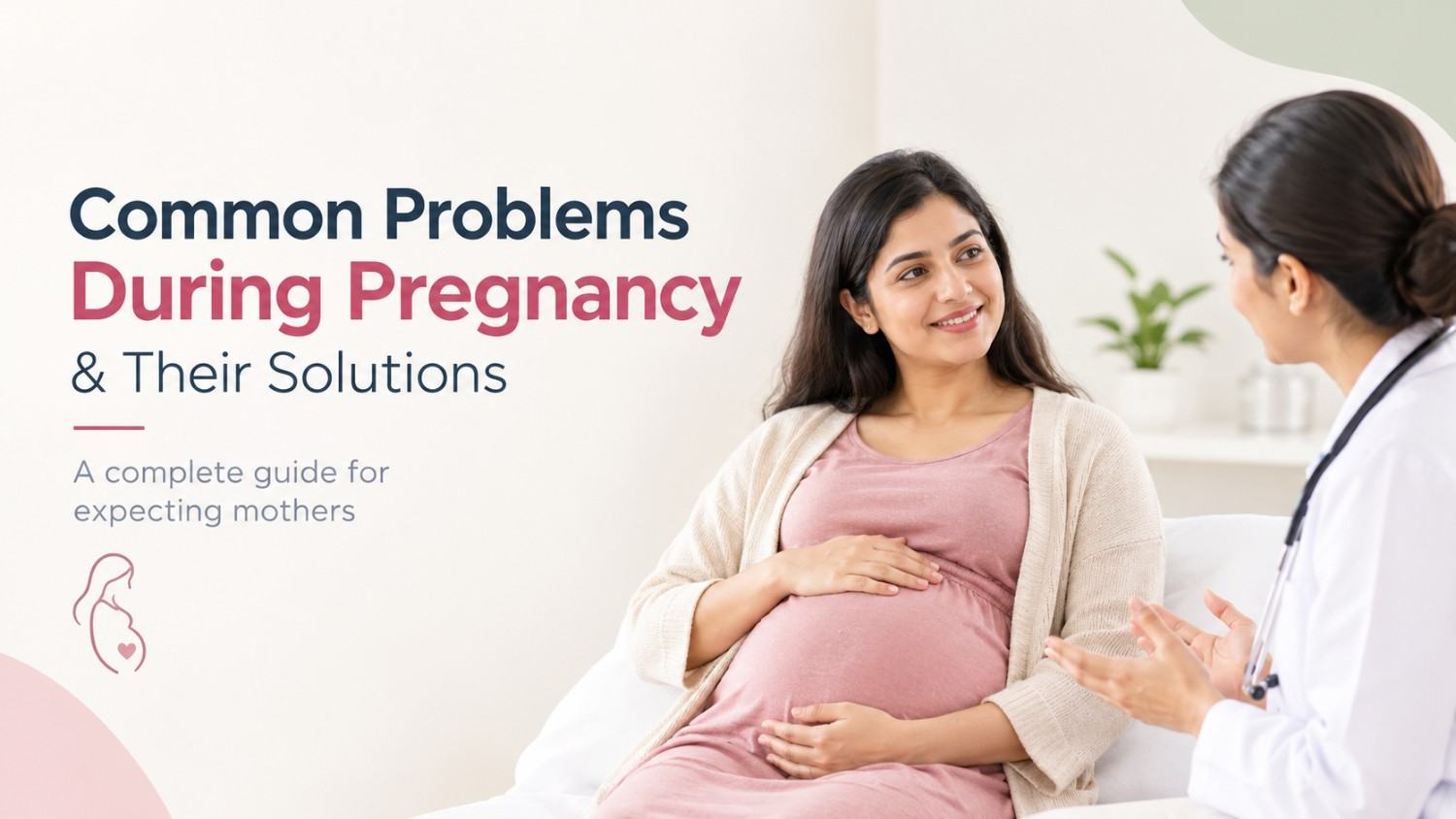
Pregnancy is one of the most beautiful journeys in a woman’s life. However, it also brings several physical and emotional changes as the body prepares to welcome a new baby. From morning sickness and back pain to heartburn and swelling, many women experience different health concerns during pregnancy.
While most of these problems are common and manageable, understanding their causes and knowing how to manage them is essential for a healthy pregnancy.
At Madnani Hospital, we believe that proper pregnancy care, regular health check-ups, and the right medical guidance can make this journey safer and more comfortable for both mother and baby.
In this blog, we will discuss some of the most common problems during pregnancy, their causes, and effective ways to manage them.
1. Morning Sickness (Nausea and Vomiting)
Morning sickness is one of the most common pregnancy symptoms, especially during the first trimester. Despite its name, nausea and vomiting can occur at any time of the day.
Causes:
- Hormonal changes during early pregnancy.
- Increased sensitivity to certain smells.
- Changes in digestion.
- An empty stomach for long periods.
Solutions:
- Eat small meals at regular intervals instead of having large meals.
- Avoid oily, spicy, and strongly scented foods if they trigger nausea.
- Drink enough water throughout the day.
- Try eating plain crackers or dry toast before getting out of bed.
- Take adequate rest.
If vomiting becomes severe or you are unable to keep food and fluids down, consult your gynaecologist. Severe vomiting may require medical treatment to prevent dehydration.
2. Back Pain During Pregnancy
Back pain is another common problem, particularly during the second and third trimesters. As the baby grows, the additional weight and changes in body posture put extra pressure on the back.
Causes:
- Increased body weight.
- Hormonhanges that relax the ligaments.
- Changes in posal cture and centre of gravity.
- Additional pressure on the lower back and pelvic area.
Solutions:
- Maintain a comfortable and correct sitting and standing posture.
- Avoid lifting heavy objects.
- Wear comfortable, supportive footwear.
- Try gentle pregnancy-safe exercises after consulting your doctor.
- Use a supportive pillow while sleeping.
If back pain is severe, persistent, or accompanied by fever, bleeding, or abdominal pain, seek medical advice.
3. Heartburn and Acidity
Many pregnant women experience heartburn, acidity, or a burning sensation in the chest, particularly after eating. This problem can become more noticeable as pregnancy progresses.
Causes:
- Pregnancy hormones relax the muscles that normally prevent stomach acid from moving upwards.
- The growing uterus puts pressure on the stomach.
- Eating large or heavy meals.
Solutions:
- Eat smaller meals throughout the day.
- Avoid spicy, fried, and oily foods if they trigger acidity.
- Do not lie down immediately after eating.
- Avoid eating heavy meals just before bedtime.
- Keep your upper body slightly elevated while sleeping if recommended.
If acidity becomes frequent or uncomfortable, consult your doctor before taking antacids or other medicines.
4. Constipation During Pregnancy
Constipation is a common digestive problem during pregnancy. Women may experience difficulty passing stools, bloating, or discomfort.
Causes:
- Hormonal changes that slow down digestion.
- Iron supplements.
- Reduced physical activity.
- Insufficient fibre and water intake.
Solutions:
- Include fibre-rich foods such as fruits, vegetables, whole grains, and pulses in your diet.
- Drink sufficient water.
- Include gentle physical activity, such as walking, if medically appropriate.
- Maintain regular meal timings.
- Avoid ignoring the urge to pass stools.
If constipation continues despite lifestyle changes, consult your doctor before using laxatives or other medication.
5. Swelling in Feet and Hands
Mild swelling in the feet and ankles is relatively common during pregnancy, especially in the later months. It occurs because the body retains more fluid and the growing uterus affects blood circulation.
Causes:
- Increased fluid retention.
- Pressure on blood vessels due to the growing uterus.
- Changes in blood circulation.
Solutions:
- Avoid standing or sitting in one position for extended periods.
- Elevate your feet whenever possible.
- Wear comfortable footwear.
- Stay physically active with gentle walking, if advised.
- Stay adequately hydrated.
Important: Sudden swelling of the face or hands, particularly when accompanied by a severe headache or blurred vision, may indicate pre-eclampsia, a serious pregnancy complication. Seek immediate medical attention.
6. Frequent Urination
Frequent urination is common during pregnancy, particularly in the early and later stages. Many women feel the need to visit the washroom more often than usual.
Causes:
- Increased blood flow to the kidneys.
- Hormonal changes.
- Pressure from the growing uterus on the bladder.
Solutions:
- Drink enough water throughout the day.
- Avoid excessive caffeine.
- Empty your bladder completely whenever possible.
- Reduce large amounts of fluid just before bedtime if nighttime urination disturbs your sleep, without compromising your overall hydration.
If you experience burning or pain while urinating, fever, or blood in your urine, consult a Gynecologist as these may indicate a urinary tract infection (UTI).
7. Fatigue and Tiredness
Feeling tired during pregnancy is normal, especially during the first and third trimesters. Your body works continuously to support the baby’s growth and development.
Causes:
- Hormonal changes.
- Increased energy requirements.
- Changes in sleep patterns.
- Iron deficiency or anaemia.
Solutions:
- Get sufficient sleep and take short breaks during the day.
- Eat a balanced and nutritious diet.
- Include iron-rich foods such as green leafy vegetables, lentils, beans, and other recommended sources.
- Follow your doctor’s advice regarding iron and folic acid supplements.
- Avoid overexertion.
If you experience extreme tiredness, dizziness, palpitations, or breathlessness, consult a doctor. These symptoms may require evaluation for anaemia or other health conditions.
8. Leg Cramps During Pregnancy
Some women experience sudden muscle cramps, particularly in their calves and legs. These cramps may occur more frequently at night and can disturb sleep.
Causes:
- Changes in circulation.
- Muscle fatigue due to increased body weight.
- Pregnancy-related physical changes.
Solutions:
- Try gentle calf stretches.
- Stay hydrated.
- Avoid remaining in one position for too long.
- Wear comfortable footwear.
- Discuss recurring cramps with your doctor.
If one leg becomes suddenly swollen, red, warm, or painful, seek urgent medical attention, as this may indicate a blood clot.
9. Mood Swings and Emotional Changes
Pregnancy brings not only physical changes but also emotional changes. Some women experience mood swings, anxiety, irritability, or feelings of sadness.
Causes:
- Hormonal fluctuations.
- Physical discomfort and fatigue.
- Concerns about childbirth and parenting.
- Changes in daily routine and lifestyle.
Solutions:
- Talk openly with your partner, family, or someone you trust.
- Practice relaxation techniques and pregnancy-safe breathing exercises.
- Get adequate sleep.
- Spend time doing activities that help you feel relaxed.
- Discuss persistent anxiety, sadness, or emotional distress with your healthcare provider.
Remember, emotional well-being is just as important as physical health during pregnancy.
10. Difficulty Sleeping During Pregnancy
Sleep disturbances are common, particularly during the later stages of pregnancy. Physical discomfort, frequent urination, back pain, and anxiety can affect sleep quality.
Causes:
- Growing belly and difficulty finding a comfortable sleeping position.
- Frequent nighttime urination.
- Heartburn and back pain.
- Hormonal and emotional changes.
Solutions:
- Maintain a regular sleeping schedule.
- Use pregnancy pillows to support your back, belly, and legs.
- Try sleeping on your side, particularly as pregnancy progresses.
- Avoid caffeine close to bedtime.
- Keep your sleeping environment comfortable and relaxing.
If sleep problems become persistent or severely affect your daily activities, discuss them with your doctor.
Warning Signs During Pregnancy: When Should You Consult a Doctor?
Although many pregnancy-related problems are normal, certain symptoms should never be ignored. Recognising warning signs early can help prevent serious complications.
Contact your doctor or visit the hospital immediately if you experience:
- Vaginal bleeding.
- Severe or continuous abdominal pain.
- Severe headache or blurred vision.
- Sudden swelling of the face or hands.
- High fever or chills.
- Persistent vomiting or inability to drink fluids.
- Difficulty breathing or chest pain.
- Convulsions or fits.
- Leakage of fluid from the vagina.
- Noticeably reduced or absent baby movements once you have established a movement pattern.
Do not wait for your next scheduled appointment if you experience any of these symptoms. Prompt medical assessment is important for the safety of both mother and baby.
Tips for a Healthy Pregnancy
Along with managing common pregnancy problems, following healthy habits can help support maternal and fetal well-being.
Here are some important pregnancy care tips:
- Attend regular antenatal check-ups: Routine visits help monitor the mother’s health and the baby’s growth and development.
- Eat a balanced diet: Include fresh fruits, vegetables, whole grains, pulses, protein-rich foods, and other nutritious foods.
- Take prescribed supplements: Follow your doctor’s recommendations for iron, folic acid, calcium, and other supplements.
- Stay hydrated: Drink sufficient water throughout the day.
- Stay physically active: Follow a suitable exercise or walking routine after medical consultation.
- Get adequate rest: Prioritise sleep and avoid unnecessary physical strain.
- Avoid alcohol and smoking: These can negatively affect your baby’s development.
- Never self-medicate: Always consult your doctor before taking medicines, herbal products, or supplements during pregnancy.
Conclusion
Pregnancy is a journey filled with new experiences, physical changes, and emotional adjustments. Problems such as morning sickness, back pain, acidity, constipation, and swelling are common, but they should not be ignored when they become severe or unusual.
The key to a healthy pregnancy is proper awareness, timely medical consultation, a balanced lifestyle, and regular antenatal care.
At Madnani Hospital, we encourage every expecting mother to prioritise her health and seek professional medical guidance throughout pregnancy. With the right care and support, you can make your pregnancy journey safer, healthier, and more comfortable. Your health matters, and so does your baby’s. Take the right step towards a healthy pregnancy with proper medical care.
Disclaimer: This article is intended for general educational purposes and should not be considered a substitute for professional medical advice, diagnosis, or treatment. Every pregnancy is different. Always consult your gynaecologist for personalised medical guidance.